
Is the San Diego Airbnb Market Oversaturated? Why Licensing Actually Protects You
ADVICE Josh Taylor. March 5, 2026
ADVICE Josh Taylor. March 5, 2026
Yes, San Diego’s short-term rental market is competitive, but the existence of formal local regulations can be an advantage for long-term investors.
San Diego’s short-term rental framework is built on a licensing system, which gives clarity and compliance standards that many other markets don’t have in place yet. This structured approach reduces the risk of sudden ban-style restrictions and protects licensed hosts who operate within the rules.
Here’s why this matters:
A defined short-term residential occupancy (STRO) license is required for most Airbnb-style operations.
There are clear caps and compliance standards tied to each license type.
Established operating guidelines mean less uncertainty for investors over time.
Understanding these rules from the start lets you build a compliant, high-performing portfolio across San Diego County.
The City of San Diego has one of the most structured STR systems in San Diego County with four license tiers. A valid STRO license and compliance with Transient Occupancy Tax (TOT) rules are essential for operating legally.
Here’s how the tiers work:
Tier 1
Part-time rentals for up to 20 nights per year
Does not require owner occupancy
Good for casual investors
Tier 2 (Home Sharing)
Owner’s primary residence
Short-term rental activity with the owner living onsite
Simplified licensing compared to whole-home tiers
Tier 3
Whole-home rentals for more than 20 nights per year
Applies outside Mission Beach in the City of San Diego
Subject to caps (for example 1 % of all housing stock)
Renting still requires a minimum stay and compliance with TOT and business tax requirements
Tier 4
Whole-home rentals in Mission Beach
Higher cap (e.g., up to 30 % of units in that area)
Often lottery-based due to demand
All hosts must list the STRO license in their Airbnb or VRBO listings, collect and remit TOT and maintain compliance with municipal tax and business license rules.
Must obtain STRO license before operating.
ADUs cannot be used as STR units.
Tiered system limits whole-home rentals in many neighborhoods.
Minimum length of stay and permit caps (e.g., 1 % housing inventory) apply.
Hosts must obtain a short-term rental permit.
Annual permit fee and inspection requirements may apply.
Oceanside enforces its own transient occupancy taxes as well.
While some reports note restrictions on ADUs, official city codes focus on permit requirements, so always check the local code for details.
Short-term rentals must have a valid business license.
Permitted units must follow occupancy limits (two people per bedroom, plus one).
Transient occupancy taxes usually apply.
STR permits are required, with annual application and fees.
Rentals are limited by a cap (for example no more than 2.5 % of residential units).
Minimum stay requirements often apply.
Liability insurance and occupancy limits are common compliance standards.
Del Mar’s STR regulations are being formalized and pending certification.
Ordinance adoption reflects many years of planning, coastal considerations and community objectives.
STR permitting and registration rules apply with specific compliance requirements.
Local zoning standards must be met.
STRs must be restricted to a primary residence, with a limit on licenses per resident (for example two).
Hosts must register with the city and comply with local safety requirements.
The county itself does not require a specific STR business license like incorporated cities do.
You must still register for a Transient Occupancy Tax Certificate to collect and remit TOT when hosting under 30 days.
Zoning, safety codes, HOA rules, and liability insurance requirements still apply.
San Diego County is not a one-size-fits-all market for short-term rentals. Each city has designed its own rules around:
Licensing and permits
Primary residence restrictions
Caps and lottery systems
Zoning, occupancy and safety requirements
Taxes and enforcement
Understanding these details before purchasing an Airbnb or vacation rental property prevents compliance issues, fines or wasted investment decisions. Whether your goal is San Diego’s tiered STRO system, Encinitas permit caps or Chula Vista primary residence rules, local expertise and up-to-date regulatory checks are essential to success.
Stay up to date on the latest trends in real estate.
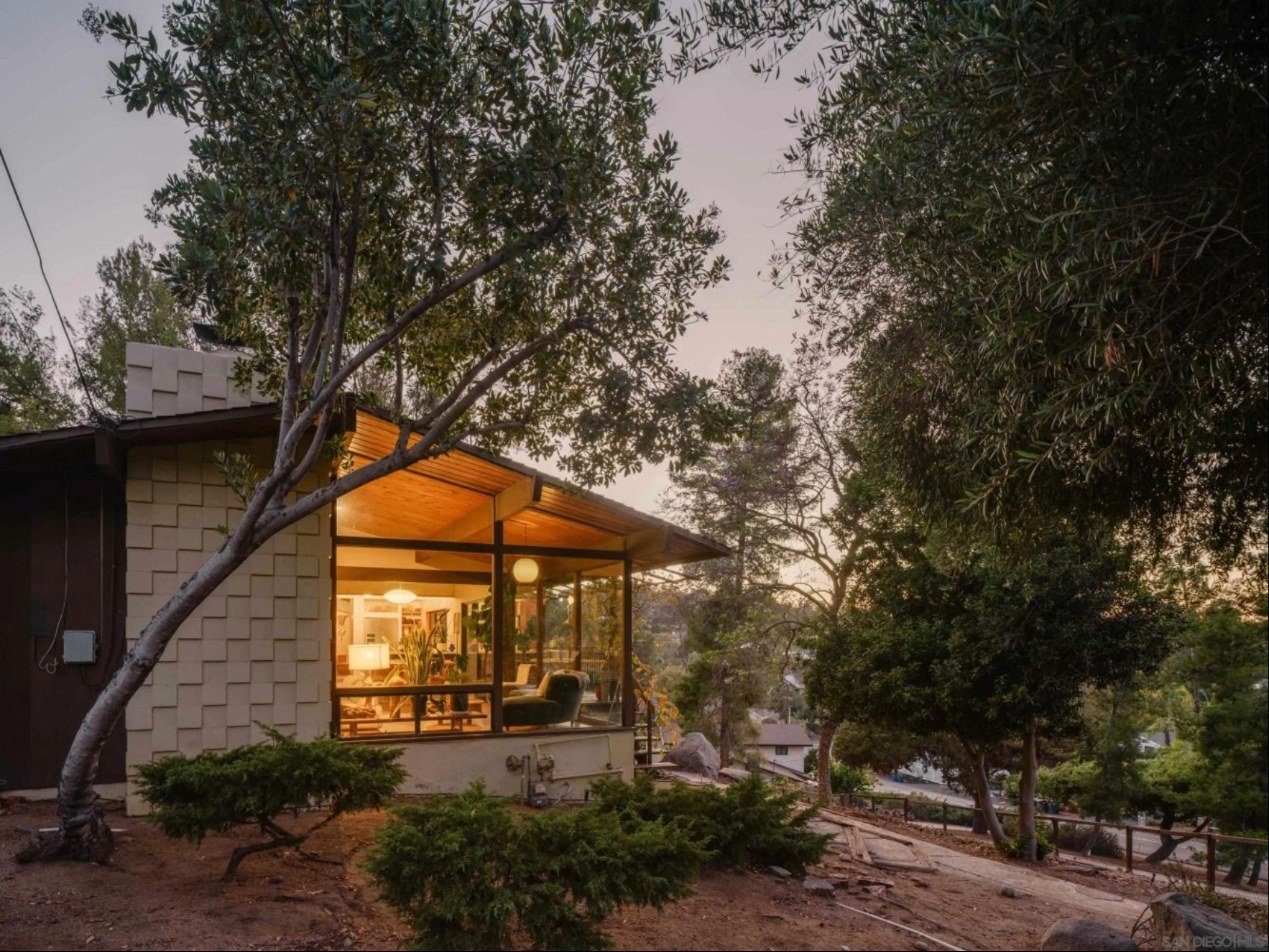
October 17, 2026
The Modernist Weekend: Four Architect-Designed Homes Worth the Drive

October 17, 2026
What the FAIR Plan covers, what it leaves out, and how a DIC policy fills the gap

October 9, 2026
Real listings, price per square foot by neighborhood, and the tradeoffs buyers face this fall

October 9, 2026
What San Diego's airport soundproofing program covers, who qualifies, and what buyers and sellers should know

October 9, 2026
A local guide to Loma Portal, La Playa, Fleetridge, Sunset Cliffs and more, and who each one suits

October 4, 2026
Our Mountain View retreat is featured in Condé Nast Traveler's guide to San Diego's best Airbnbs for the fourth year in a row

October 3, 2026
Neighborhoods, nightlife and what to expect, from a gay realtor who lives here

October 3, 2026
How a 2% seller credit can lower your monthly payment more than a price cut

October 3, 2026
How STR owners use cost segregation and 100% bonus depreciation to write off more in year one
Get assistance in determining current property value, crafting a competitive offer, writing and negotiating a contract, and much more. Contact Josh today.